WEST BROMWICH TOWN HALL
Background
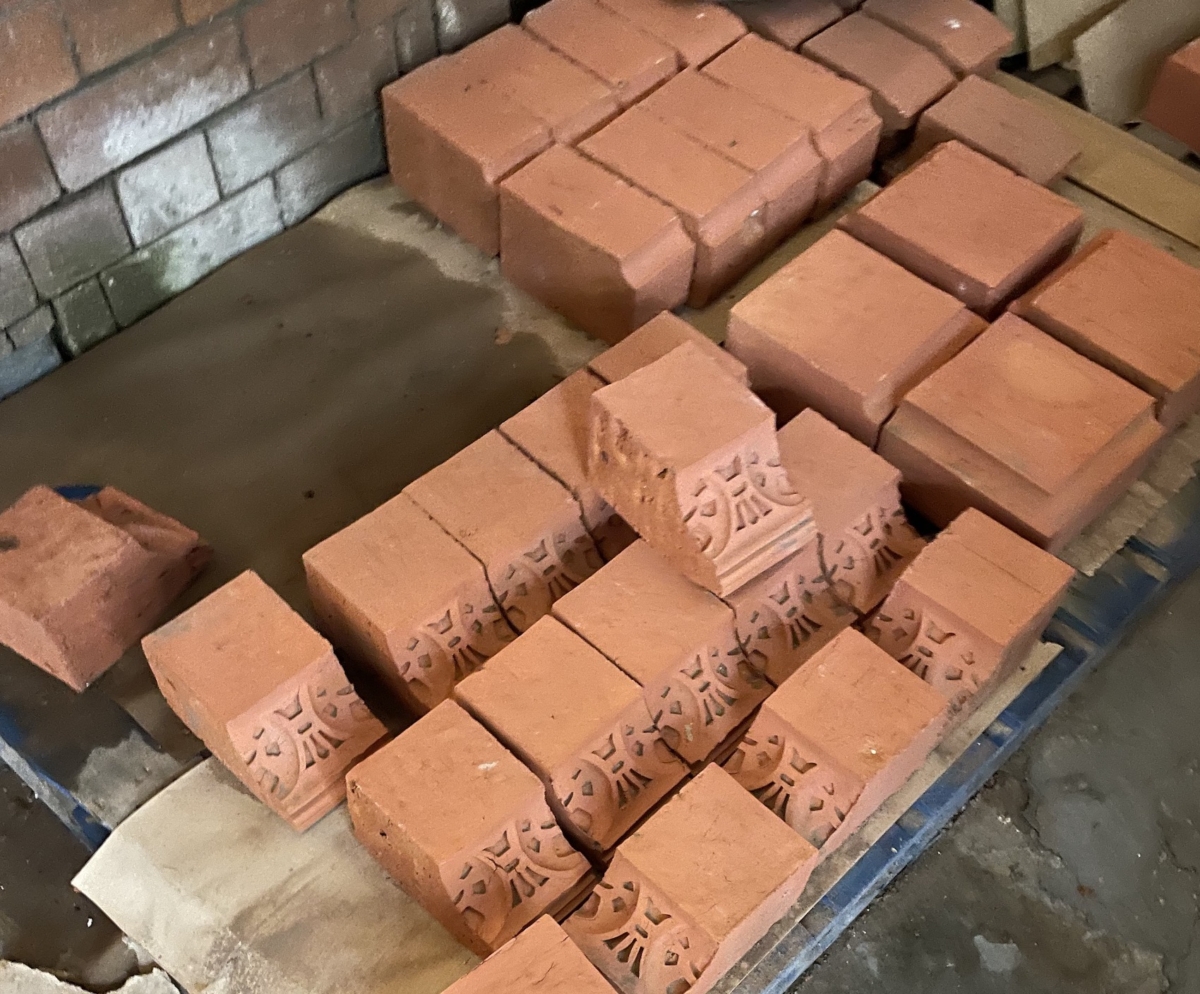
Northcot Brick supplies bespoke brick blends for historic buildings and conservation projects across Britain.
Drawing on our 100 years of experience, our team of master brickmakers use traditional hand-throwing and kiln-firing methods, along with sophisticated weathering techniques, to match existing regional brick types and complex specials.
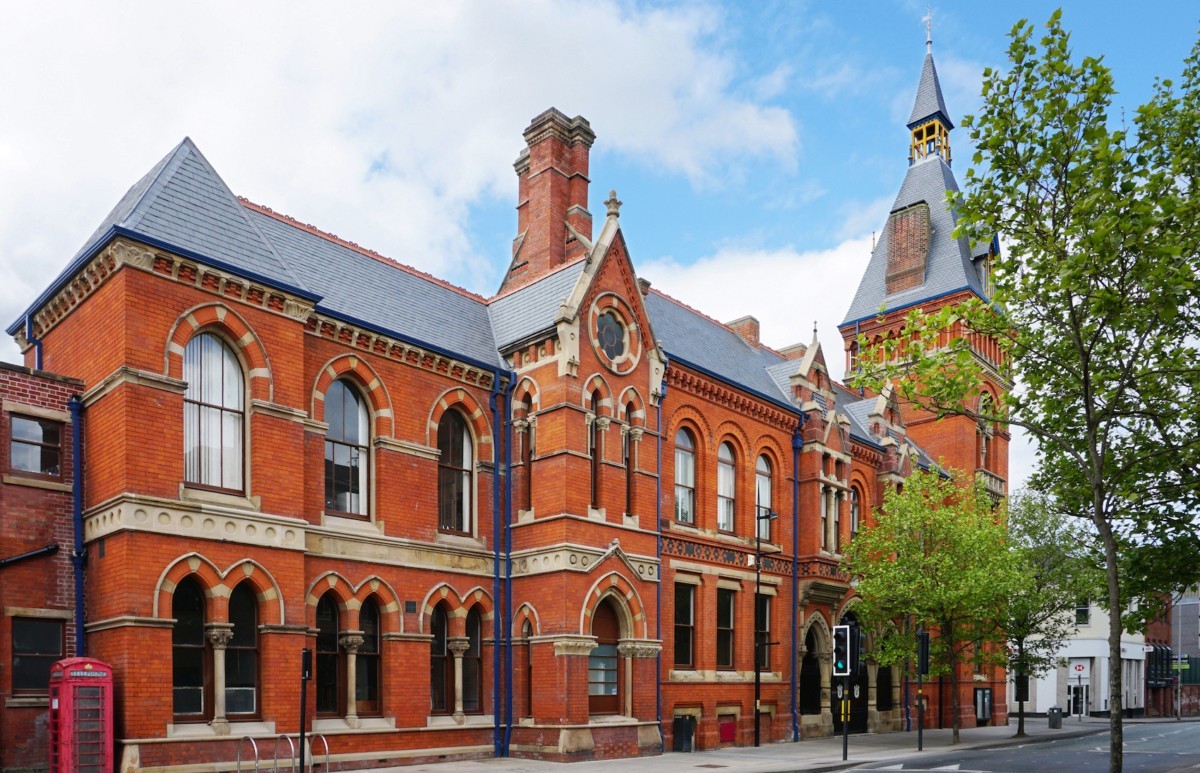
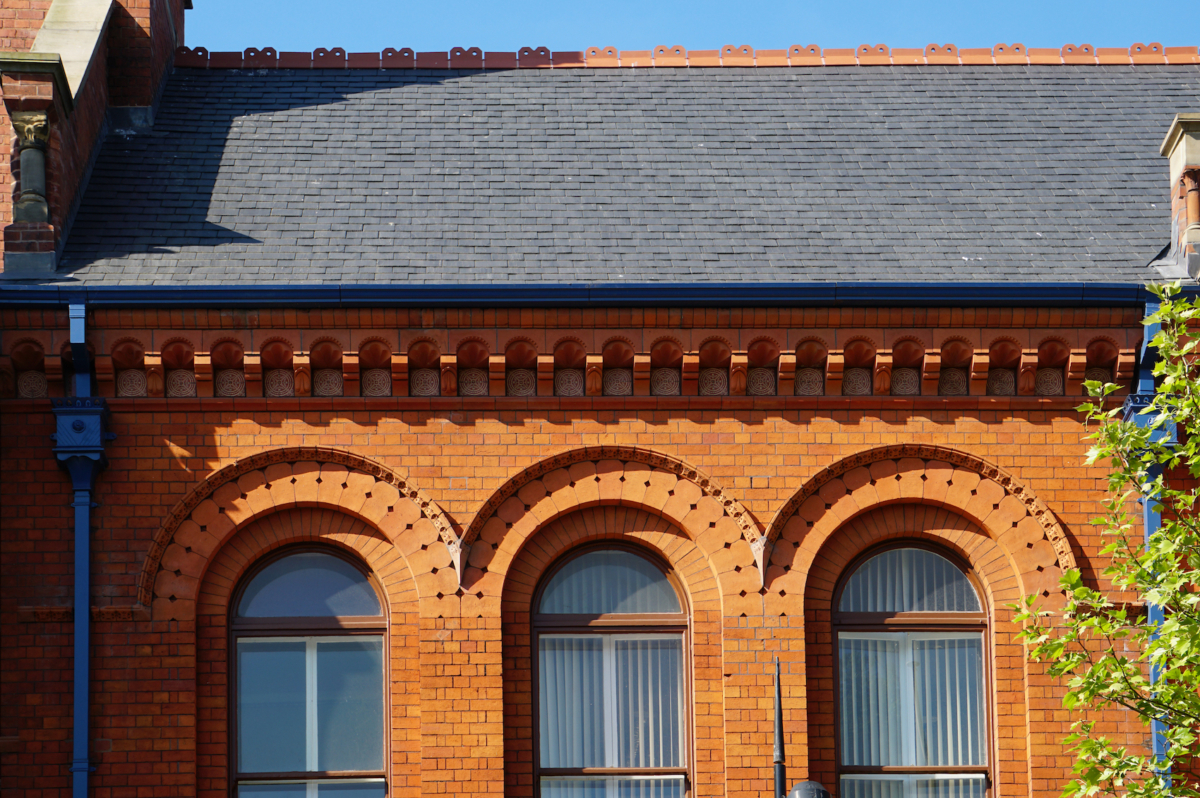
Our ability to replicate Victorian brick detailing has played a central part in the recent award-winning restoration of West Bromwich Town Hall and Library.
The restoration of a Grade II listed heritage asset
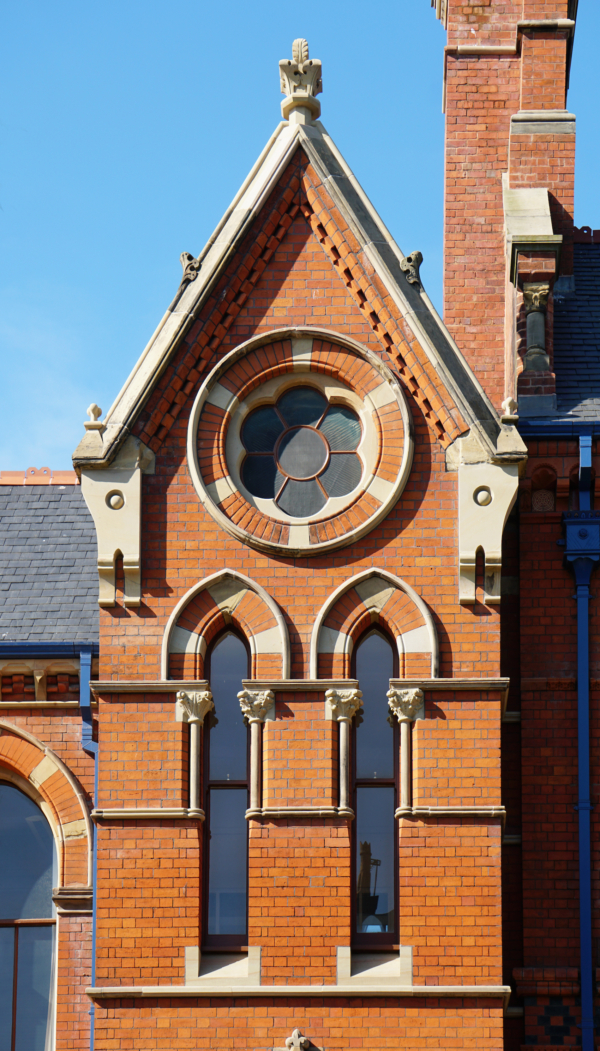 Originally designed by Alexander & Henman in 1874-75 (with the library by Weller and Proud), the Town Hall and Library is a symbol of the town’s heritage and a fine example of Italian Gothic architecture.
However, after 150 years of exposure to the elements, the Grade II-listed buildings had fallen into disrepair, with leaking roofs, rotten windows and crumbling brick and stonework. Without urgent intervention, the buildings were unlikely to remain in use.
A £6.9m restoration programme was carried out for Sandwell Metropolitan Borough Council by main contractor Morgan Sindall. The project was funded by the Government’s Towns Fund programme and delivered under the Construction West Midlands II framework. Contract administration was carried out by the Council’s Urban Design & Building Services.
The aim was to preserve the building’s fine architectural features whilst adapting it for community use to help revitalise the town’s main cultural quarter.
Innovative Brick Matching Techniques
As Lead Designers and Conservation Architects, APEC Architects assessed the extensive restoration work required and developed a detailed plan for each element, working alongside Henley Restoration & Remedials, Midland Masonry, NRA Roofing, and a wide range of heritage craftspeople.
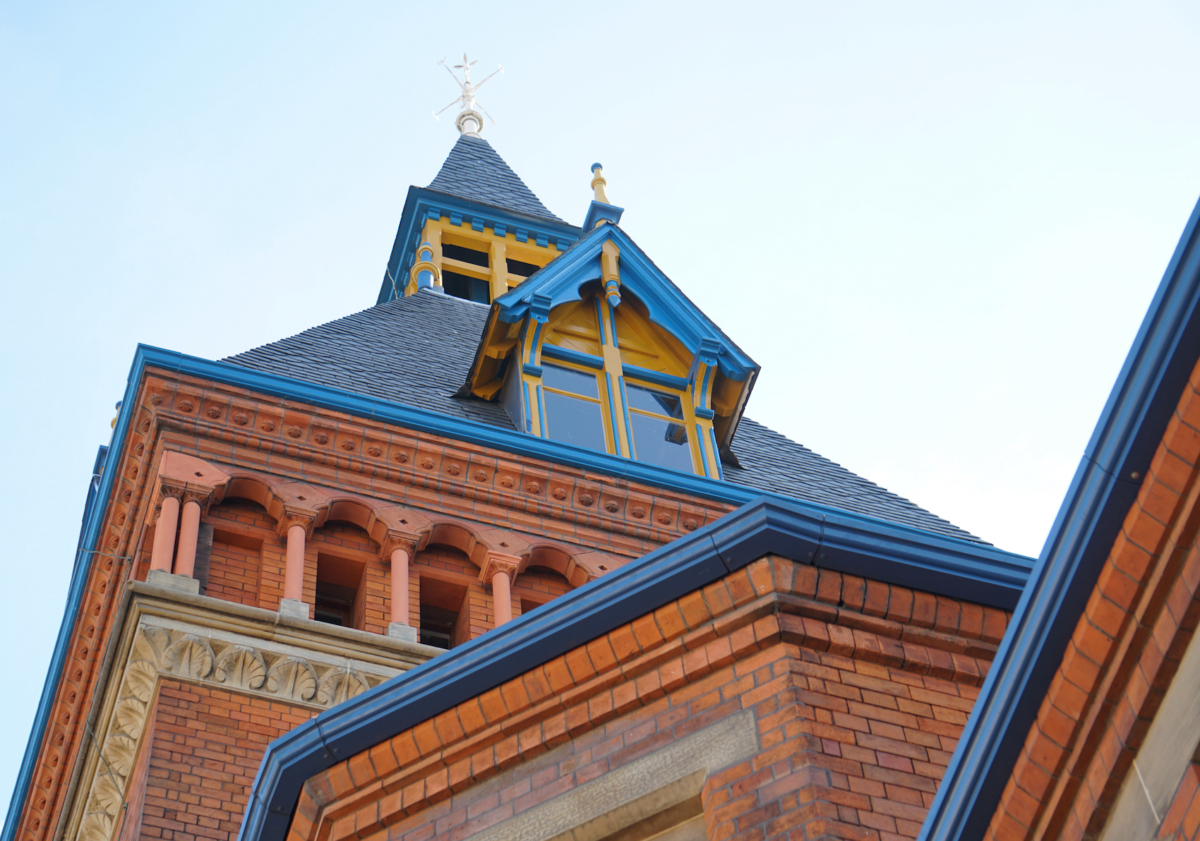
Work ranged from the repair or replacement of historic stonework carvings (including a roof finial recreated from a 100-year-old photograph), the slate roof, detailed timberwork, and leadwork on the cupola dome, to 200 timber framed stained-glass windows.
Almost all areas of the existing brickwork required some degree of repair or replacement, and some of the high-level masonry on the main chimney and tower was in such poor condition that it posed a risk to its structural integrity.
Northcot created two brick blends in imperial sizes: machine-made Regency Orange and handmade Brickfield Orange.
These were selected to match the colour and texture variations of the existing brickwork, which had weathered differently across various parts of the building.
The replacement bricks were carefully matched to the fine-quality, thin-jointed brickwork on the principal elevation and the highly variable, lower-quality concealed brickwork at the rear.